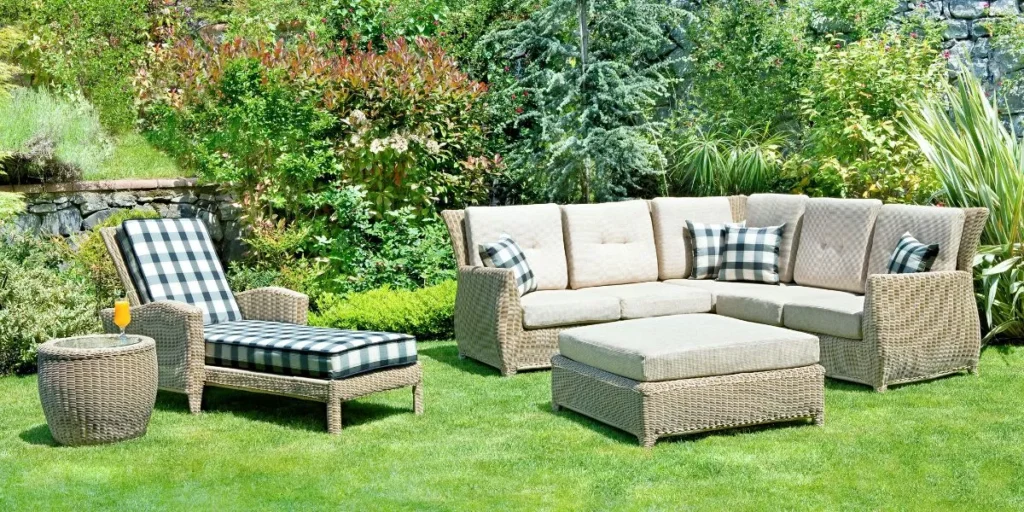
When selecting garden furniture that aligns with eco-friendly practices, you should consider various factors to make a sustainable choice. From the materials used to the manufacturing processes involved, each aspect plays a crucial role in reducing your environmental footprint. By understanding the key criteria for eco-friendly furniture and exploring sustainable material options, you can make informed decisions that benefit both your outdoor space and the planet. So, are you ready to transform your garden into a green oasis with furniture that not only looks good but also does good?
Understanding Eco-Friendly Furniture Criteria
When choosing eco-friendly garden furniture, consider key criteria to ensure sustainability and environmental responsibility. Look for furniture made from materials that are renewable and ethically sourced. Opt for pieces that are durable and long-lasting, reducing the need for frequent replacements. Ensure that the furniture is produced using eco-friendly manufacturing processes that minimize waste and energy consumption.
Additionally, choose furniture that’s easy to maintain without the use of harsh chemicals that can harm the environment. Look for pieces that can be easily repaired or recycled at the end of their lifespan. Consider the transportation impact of the furniture – selecting locally sourced or locally manufactured items can help reduce carbon emissions from shipping.
Exploring Sustainable Material Options
To explore sustainable material options for eco-friendly garden furniture, consider the environmental impact and longevity of each material choice. Opting for materials like bamboo can be a great eco-friendly choice. Bamboo is a fast-growing grass that can be harvested sustainably without harming the environment. It’s durable, weather-resistant, and has a beautiful natural look.
Reclaimed wood is another excellent option. By using reclaimed wood from sources like old barns or shipping pallets, you give new life to existing materials and prevent further deforestation.
Metal furniture made from recycled aluminum or steel is also a good choice. These materials are sturdy, recyclable, and can withstand outdoor conditions well.
When looking for plastic furniture, ensure it’s made from recycled materials or is recyclable itself. Polywood, for instance, is a durable and eco-friendly option made from recycled plastics.
Certifications and Labels to Look For
Look for reputable certifications and labels when choosing eco-friendly garden furniture to ensure its sustainability. When browsing for eco-friendly options, keep an eye out for certifications like FSC (Forest Stewardship Council) which indicate that the wood used in the furniture comes from responsibly managed forests. The Rainforest Alliance certification is another good indicator of sustainable practices, ensuring that the wood is harvested in an environmentally and socially responsible manner. Look for labels such as GREENGUARD, which ensures that the furniture meets strict chemical emissions limits, contributing to better indoor air quality.
Additionally, certifications like Cradle to Cradle focus on the overall sustainability of the product, including its material health, recyclability, and renewable energy use during production. These certifications provide assurance that the garden furniture you choose has been manufactured with environmental considerations in mind. By paying attention to these labels and certifications, you can make informed decisions that align with your eco-friendly values and contribute to a more sustainable environment.
Tips for Maintaining Eco-Friendly Furniture
For lasting durability and continued sustainability, regularly maintain your eco-friendly garden furniture. Start by cleaning your furniture regularly with a mild soap and water solution to remove dirt and debris. Avoid using harsh chemicals that can harm the environment. For wooden furniture, consider applying a coat of eco-friendly sealant or oil to protect it from the elements. This will help prevent warping and cracking, extending the lifespan of your furniture.
Inspect your furniture periodically for any signs of wear and tear. Tighten any loose screws or bolts and replace any damaged parts promptly. This proactive approach can prevent further damage and prolong the life of your eco-friendly furniture.
During harsh weather conditions, consider storing your furniture indoors or using weatherproof covers to protect it from the elements. This simple step can prevent damage caused by rain, snow, or excessive sunlight. By taking these maintenance tips into consideration, you can ensure that your eco-friendly garden furniture remains in top condition for years to come.
Garden