When striving for sustainable gardening practices, incorporating methods that conserve resources and promote a thriving ecosystem is key. By focusing on water conservation techniques, natural pest control methods, composting for soil health, and choosing native plants to enhance biodiversity, you pave the way for a greener and more resilient garden. These practices not only benefit the environment but also contribute to the long-term health and vibrancy of your garden. Each step towards sustainability plays a vital role in creating a harmonious balance within your garden, ensuring its vitality and longevity.
Water Conservation Techniques
To conserve water effectively in your garden, consider implementing simple techniques such as drip irrigation and mulching.
Drip irrigation delivers water directly to the roots of your plants, minimizing evaporation and ensuring that each plant gets the right amount of water. By using drip irrigation, you can water your garden more efficiently and reduce water waste.
Mulching is another great way to conserve water in your garden. Mulch helps to retain moisture in the soil by reducing evaporation, suppressing weed growth, and regulating soil temperature. By spreading a layer of mulch around your plants, you can significantly reduce the amount of water needed to keep them healthy.
Additionally, collecting rainwater in barrels or containers can provide you with a free and sustainable water source for your garden. Instead of using tap water, which can be costly and contain chemicals, utilizing rainwater is an eco-friendly way to keep your garden hydrated.
Natural Pest Control Methods
Implementing eco-friendly pest control methods in your garden can help maintain a healthy balance while minimizing harm to beneficial insects. One effective method is companion planting, where certain plants are grown together to repel pests or attract beneficial insects. For example, planting marigolds alongside tomatoes can deter nematodes.
Introducing beneficial insects like ladybugs or praying mantises can also help control pest populations naturally. These insects prey on common garden pests, reducing the need for chemical interventions. Additionally, using barriers such as row covers or netting can physically prevent pests from reaching your plants.
Homemade remedies like garlic spray or neem oil can be used to deter pests without harming beneficial insects. These natural solutions are easy to make and are gentle on the environment.
Composting and Soil Health
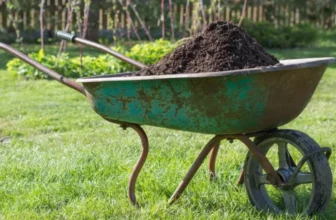
Enhance your garden’s soil health through the practice of composting, a sustainable way to recycle organic matter and enrich the nutrients available to your plants. Composting involves collecting kitchen scraps, yard waste, and other biodegradable materials in a designated bin or pile. As these materials decompose, they transform into nutrient-rich compost that can be added to your soil, improving its structure and fertility.
Compost acts as a natural fertilizer, supplying essential nutrients like nitrogen, phosphorus, and potassium to your plants. This nutrient boost encourages robust growth and enhances the overall health of your garden. Additionally, compost helps retain moisture in the soil, reducing the need for frequent watering.
Native Plants and Biodiversity
Embrace the beauty and benefits of incorporating native plants to promote biodiversity in your garden. Native plants are well-suited to your local environment, requiring less water and maintenance once established. By choosing native species, you attract a variety of beneficial insects, birds, and other wildlife that rely on these plants for food and shelter.
Incorporating a diverse range of native plants in your garden creates a more resilient ecosystem. Different plant species provide various habitats and food sources, supporting a greater variety of wildlife. This biodiversity helps to naturally control pests and diseases, reducing the need for chemical interventions.
Furthermore, native plants play a crucial role in preserving the heritage and natural balance of your region. They contribute to the overall health of the ecosystem by supporting pollinators and other essential wildlife. By cultivating native plants, you actively participate in the conservation of plant diversity and the protection of endangered species.
Garden