When it comes to ensuring optimal iron intake for new moms, making informed choices about the best sources is crucial. With the demands of motherhood, finding efficient ways to boost iron levels becomes paramount for overall well-being. As you navigate the postpartum period, considering the right iron-rich foods for your diet can be a game-changer. So, which sources are the top contenders for replenishing this essential nutrient and supporting your health journey? Stay tuned to discover the key sources that can make a significant difference in how you feel and function as a new mom.
Importance of Iron for New Moms
Iron is crucial for new moms as it plays a vital role in replenishing blood lost during childbirth and supporting overall energy levels. After giving birth, your body needs to replenish the iron stores that may have been depleted during pregnancy and delivery. Iron is essential for the production of hemoglobin, the protein in red blood cells that carries oxygen to tissues throughout your body. Ensuring an adequate intake of iron-rich foods is particularly important for you as a new mom to prevent conditions like postpartum anemia, which can lead to fatigue and weakness.
As a new mom, you may experience increased fatigue due to the demands of caring for your newborn. Iron is a critical nutrient that can help combat this fatigue by supporting the production of energy in your body. By including iron-rich foods in your diet, you can ensure that your body has an adequate supply of this essential mineral to support your overall well-being during this crucial time.
Heme Iron-Rich Foods
Replenishing your body with heme iron-rich foods can significantly boost your iron levels as a new mom, aiding in the restoration of vital nutrients lost during childbirth and enhancing your overall energy levels.
Heme iron, found in animal-based products, is more easily absorbed by the body compared to non-heme iron. Foods like lean meats, poultry, and seafood are excellent sources of heme iron. Incorporating red meat into your diet can be particularly beneficial, as it contains high levels of heme iron. Additionally, organ meats like liver are rich in heme iron and can provide a significant iron boost.
If you prefer seafood, options like oysters, mussels, and shrimp are also great choices. Including these heme iron-rich foods in your meals can help combat iron deficiency and support your postpartum recovery by replenishing your iron stores efficiently.
Plant-Based Iron Sources
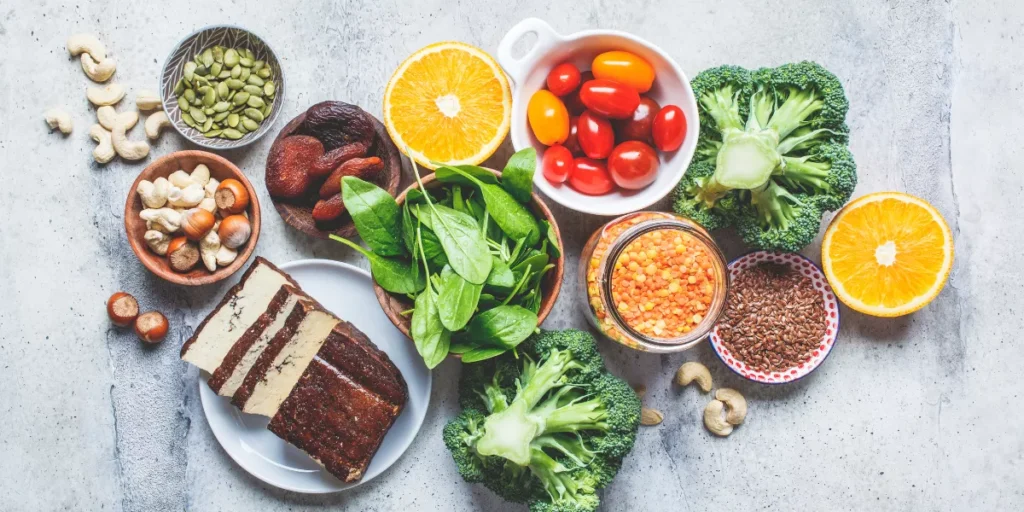
For new moms looking to boost their iron levels through plant-based sources, incorporating a variety of nutrient-rich foods into your diet is essential. Plant-based iron sources can be highly beneficial and easily accessible. Foods such as lentils, spinach, tofu, quinoa, and chickpeas are excellent options to include in your meals.
Lentils are a versatile legume that can be added to soups, salads, or stews. Spinach is a leafy green that can be incorporated into smoothies, omelets, or sautés. Tofu, a soy-based product, can be stir-fried, grilled, or added to curries. Quinoa is a protein-rich grain that can be used in salads, bowls, or as a side dish. Chickpeas, whether roasted for a crunchy snack or blended into hummus, are a great plant-based iron source.
Iron Supplements for New Moms
When considering your iron intake as a new mom, exploring the option of supplements can offer a convenient way to support your nutritional needs. Iron supplements can be particularly beneficial for new moms who may require additional iron to replenish stores depleted during pregnancy and childbirth. These supplements come in various forms, including ferrous sulfate, ferrous gluconate, and ferric citrate, and can be found over the counter or prescribed by a healthcare provider.
It’s essential to consult with your healthcare provider before starting any iron supplements to determine the appropriate dosage for your specific needs. Taking too much iron can lead to side effects such as constipation, nausea, or stomach discomfort. Your healthcare provider can also help you understand the best time to take the supplements for optimal absorption and effectiveness.
While iron supplements can be helpful in meeting your iron requirements, it’s essential to continue consuming iron-rich foods as part of a balanced diet. Remember that supplements should complement, not replace, a healthy and varied eating plan.
Baby products