To capture motion in outdoor photography effectively, consider mastering the art of shutter speed and embracing the panning technique. These skills can make a significant difference in your images, allowing you to freeze action or create dynamic blur. The secret lies in finding the right balance between freezing the subject and conveying a sense of movement. By understanding these techniques, you can elevate your outdoor photography and bring a whole new level of energy and excitement to your shots.
Understanding Shutter Speed
To freeze or blur motion in your outdoor photos, you must understand shutter speed. Shutter speed refers to the amount of time your camera’s shutter remains open when taking a photo. A faster shutter speed, such as 1/500 or 1/1000 of a second, freezes motion, capturing a crisp image of a moving subject. On the other hand, a slower shutter speed, like 1/30 or 1/60 of a second, allows for motion blur, which can convey a sense of movement in your photos.
When shooting fast-moving subjects like athletes or wildlife, opt for a high shutter speed to freeze their motion in a sharp and detailed manner. Conversely, when photographing flowing waterfalls or cars racing by, experiment with slower shutter speeds to create a dynamic effect by blurring the movement.
Remember that the choice of shutter speed depends on the speed of the subject and the effect you want to achieve. Practice adjusting your shutter speed settings to master the art of capturing motion in your outdoor photography.
Utilizing Panning Technique
Mastering the panning technique can add a dynamic element to your outdoor photography by capturing motion in a unique and engaging way. To execute this technique effectively, follow the subject’s movement with your camera while using a slower shutter speed.
Start by selecting a relatively slow shutter speed, around 1/30 to 1/60 of a second, to create a sense of motion blur in the background while keeping the subject sharp. As the subject moves past you, pan your camera along with it in a smooth and steady motion. It’s crucial to maintain the same speed as the subject during the shot to achieve the desired effect.
Practice is key to mastering this technique, so experiment with different shutter speeds and practice tracking moving subjects to enhance your skills. Panning can result in dynamic and visually striking images that convey a sense of speed and movement in outdoor photography.
Freezing the Action
You can capture crisp and sharp moments in outdoor photography by freezing the action using a fast shutter speed. When you set your camera to a high shutter speed, such as 1/500 or faster, it allows you to freeze moving subjects in their tracks. This technique is ideal for capturing sports, wildlife, or any dynamic outdoor scenes where you want to emphasize the clarity of the moment. By freezing the action, you can showcase details that might be missed at slower shutter speeds, like the droplets of water mid-air during a splash or the intricate feathers of a bird in flight.
To achieve the best results when freezing action, make sure to adjust your camera settings accordingly. Keep an eye on your exposure to prevent over or underexposure, and consider using burst mode to capture a series of shots in quick succession. Experiment with different shutter speeds to find the perfect balance between freezing the action and maintaining proper exposure. With practice, you can master the art of freezing motion in outdoor photography and create stunning, dynamic images.
Experimenting With Long Exposures
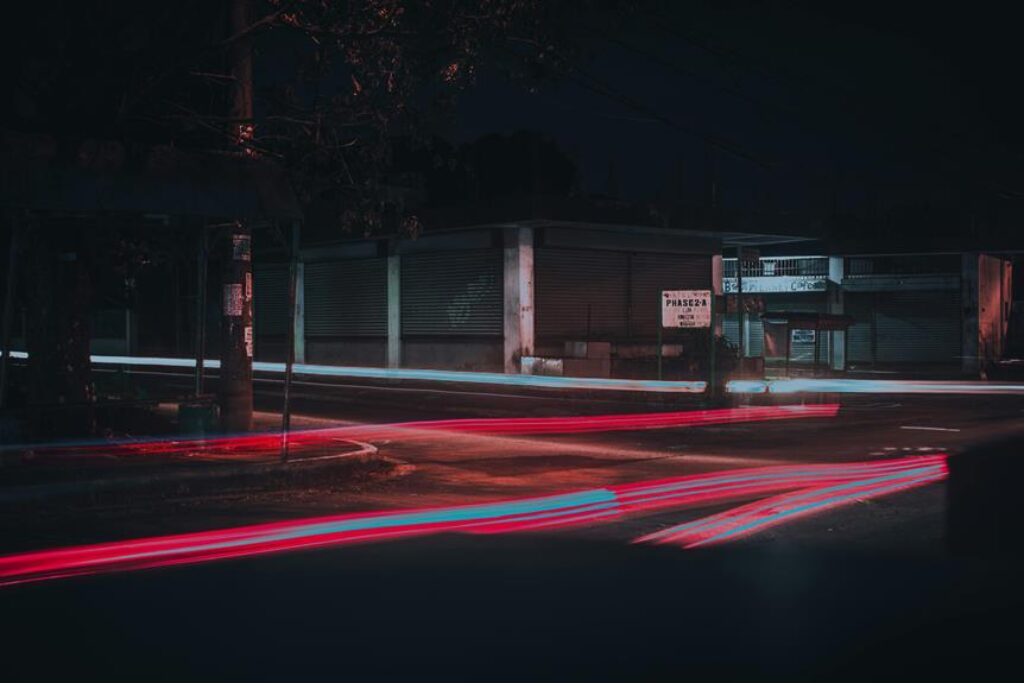
Experiment with different exposure times to create captivating and unique outdoor photography shots using long exposures. Long exposures involve leaving the camera’s shutter open for an extended period, allowing more light to reach the sensor. This technique is perfect for capturing movement in outdoor scenes, such as flowing waterfalls, streaking car lights at night, or the gentle sway of trees in the wind.
To achieve stunning long exposure shots, start by selecting a sturdy tripod to prevent camera shake during the longer exposure times. Adjust your camera settings to a low ISO to reduce noise and choose a small aperture for a greater depth of field. Experiment with exposure times ranging from a few seconds to several minutes to see how they affect the final image.
Long exposures can add a sense of drama and dynamism to your outdoor photos, turning everyday scenes into mesmerizing works of art. So, grab your camera, head outdoors, and start playing with long exposures to unleash your creativity and capture motion like never before.
Camping